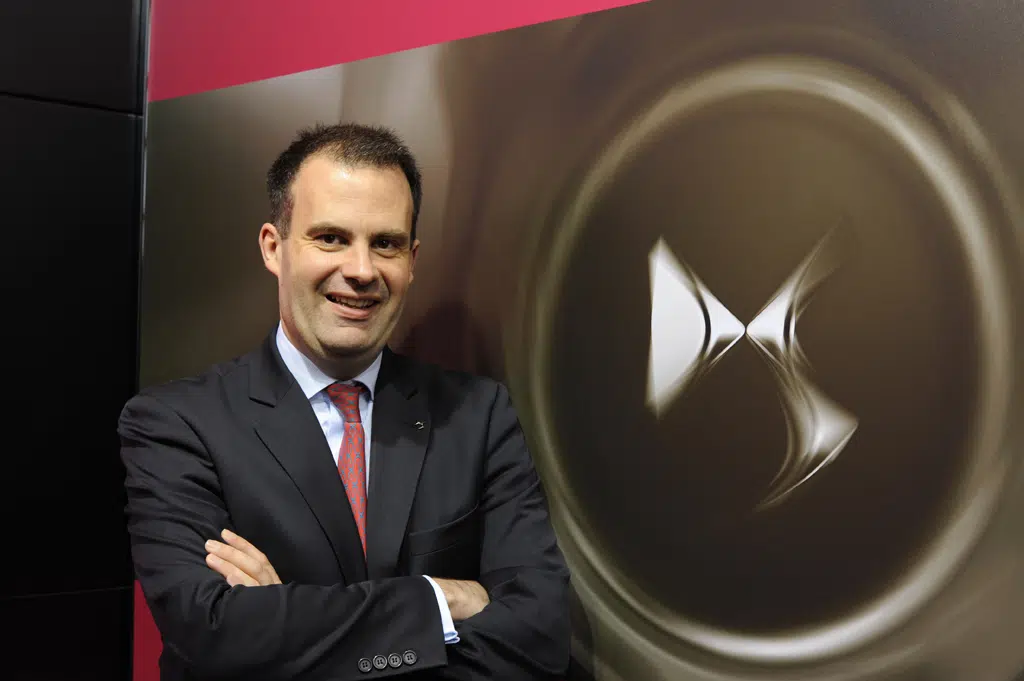
Starting May 20, 2025, Édouard Peugeot will inherit the presidency of Peugeot Invest, the family holding company that manages the Peugeot family's strategic and financial interests — including a 7.4% stake in Stellantis, the automotive group born from the merger of PSA and Fiat Chrysler. He succeeds his father Robert Peugeot, who has led the holding for decades. The transition has been described by the family as "a significant step in the transmission of know-how and family values." Alongside Édouard's appointment, Jean-Charles Douin has been named as general manager, replacing Bertrand Finet.
A Leader with International Experience
Édouard Peugeot is not a newcomer to the world of finance and investment. He holds a master's degree in business and administration from Paris-Dauphine University and began his banking career in 2008 at J.P. Morgan, where he served as an associate within the industrial investment team. This early experience gave him a deep understanding of capital markets, industrial valuations, and the strategic thinking required to manage large, complex assets.
From J.P. Morgan, Édouard moved into the private equity world, eventually rising to the position of general manager at TowerBrook Capital Partners — a transatlantic investment firm focused on mid-market and large-cap buyouts. His tenure there sharpened his skills in portfolio management, operational transformation, and long-term value creation. Following his appointment at Peugeot Invest, he will continue to serve as non-executive chairman of TowerBrook, creating synergies between his various responsibilities.
Édouard has also been a director of Peugeot Invest since 2020, meaning his ascension to the presidency is not an abrupt change but a carefully planned succession, giving him time to familiarise himself with the holding's strategy and stakeholders before taking full responsibility.
The Peugeot Invest Portfolio and Strategic Context
Peugeot Invest is far more than simply a Stellantis shareholder. The holding manages a diversified portfolio spanning financial services, private equity participations, and real estate — reflecting the family's long-standing tradition of spreading its assets across multiple sectors to ensure resilience and long-term wealth preservation.
The automotive dimension, however, remains central. Stellantis — which produces vehicles under fifteen brands including Peugeot, Citroën, Fiat, Jeep, and Opel — is navigating one of the most turbulent periods in the history of the car industry. The electrification of vehicle fleets, the rise of Chinese competitors, evolving consumer preferences, and tightening European emissions regulations are all reshaping the competitive landscape. As a significant shareholder, Peugeot Invest's voice carries weight in how Stellantis responds to these pressures.
Recent portfolio moves illustrate the holding's active approach to capital allocation: entry into Robertet's capital — the French flavour and fragrance specialist — and the sale of its stake in the SEB Group signal a willingness to reposition the portfolio toward sectors with strong long-term growth profiles.
A Strategic Turning Point for the Dynasty
The incoming president inherits a holding shaped by nearly a century of family stewardship — the Peugeot dynasty's involvement in industrial and financial management stretches back to 1929. Édouard's challenge is to honour that heritage while steering Peugeot Invest through a period of profound change in the sectors it is exposed to.
His background at J.P. Morgan and TowerBrook gives him the analytical rigour and deal-making experience that the role demands. But family holding leadership also requires softer skills: maintaining cohesion among family shareholders, communicating a clear strategic vision externally, and preserving the credibility and reputation that the Peugeot name commands — not just in France, but globally.
With a new general manager in place and a generational transition underway, Peugeot Invest appears well-positioned to adapt. How Édouard Peugeot shapes the holding's strategy in the coming years — particularly its approach to the energy transition and to the digitalisation of its portfolio companies — will define the next chapter of one of France's most iconic industrial legacies.