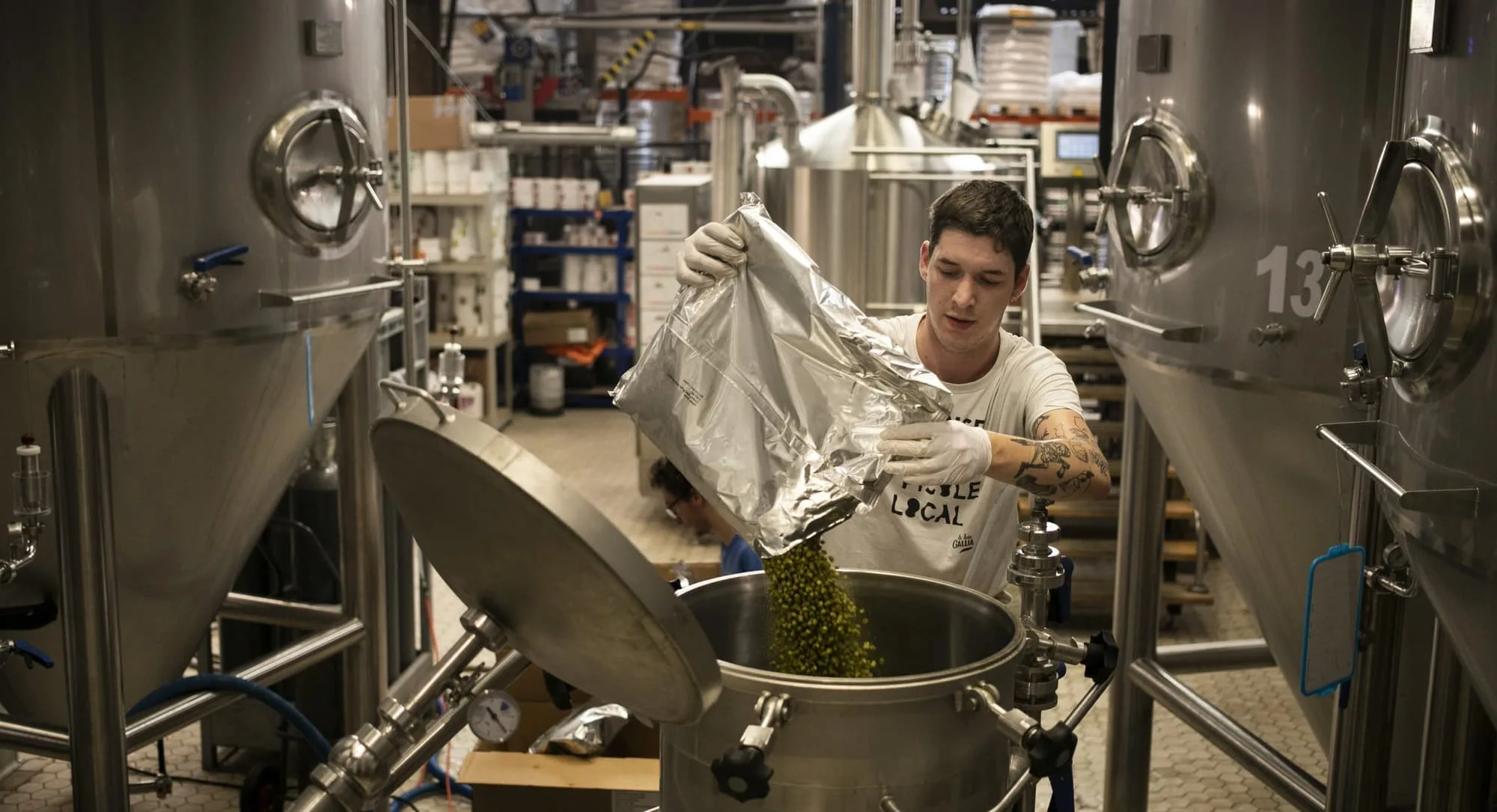
Heineken has announced the closure of the Gallia brewery in Sucy-en-Brie, with operations ending by the end of March 2025. The facility, which opened in March 2021 with the ambition of producing bottled Gallia beers in 33cl formats for the French on-trade market, has proven unable to adapt to a rapid and decisive shift in consumer purchasing behaviour. Declining demand for the 33cl bottle format — combined with a structural mismatch between the plant's production capabilities and market reality — has rendered the site economically unviable after less than four years of operation. The closure will affect 13 employees, and production volumes will be redistributed to other Heineken facilities, most notably the original Gallia brewery in Pantin.
The Reasons Behind the Closure
The root cause of the Gallia Sucy-en-Brie closure lies in a convergence of market dynamics that the brewery was ill-equipped to navigate. Consumer preferences across the French beer market — and particularly in the bar and restaurant segment — have shifted significantly and durably away from the traditional 33cl bottle toward larger formats. The 50cl can and the 75cl bottle have seen sales increases of over 50% in on-trade venues over the past two years, reflecting changing occasion patterns, value-consciousness among consumers, and evolving service practices in the hospitality sector.
This shift placed the Sucy-en-Brie facility in a structurally impossible position. The plant was specifically designed and sized for 33cl bottle production — a format whose market is contracting. Yet the facility was too small to pivot toward producing the large-format Gallia references that the market now demands, while simultaneously being too large and capital-intensive to dedicate itself viably to the production of small artisan batches that might command a premium to justify the cost base. The result was chronic underutilisation: a plant producing volumes far below its break-even point in a format that fewer customers are ordering.
Market Dynamics in the Craft Beer Sector
The closure of the Sucy-en-Brie facility reflects broader tensions in the craft beer market that are reshaping production strategies across the industry. The craft beer boom of the 2010s led many producers — including major groups that acquired or launched craft brands — to invest in dedicated small-to-medium facilities positioned to serve premium, experience-oriented consumers. The assumption was that this segment would continue to grow and that the 33cl bottle, with its associations of quality and artisanship, would remain the preferred format for craft consumption.
Reality has proven more complex. While the craft beer category continues to attract consumer interest, the format preferences within it have evolved rapidly. Consumers have embraced cans — once associated with mass-market lagers — as a suitable vessel for craft beer, driven by portability, sustainability credentials, and superior light and oxygen protection. Meanwhile, the 75cl bottle has gained ground in occasions where sharing and conviviality are central, such as restaurant dining. The 33cl glass bottle, once the craft premium standard, has lost its positioning advantage.
For Heineken, the strategic response is clear: consolidate Gallia production at the Pantin site, which has the scale and flexibility to serve multiple formats and adapt more readily to market evolution. The lesson for the broader industry is equally clear — the ability to adapt production format and volume rapidly is becoming as important a competitive capability as product quality and brand equity. Breweries that are locked into a single format at a single scale face existential risk in a market that is changing faster than capital investments can be recouped.