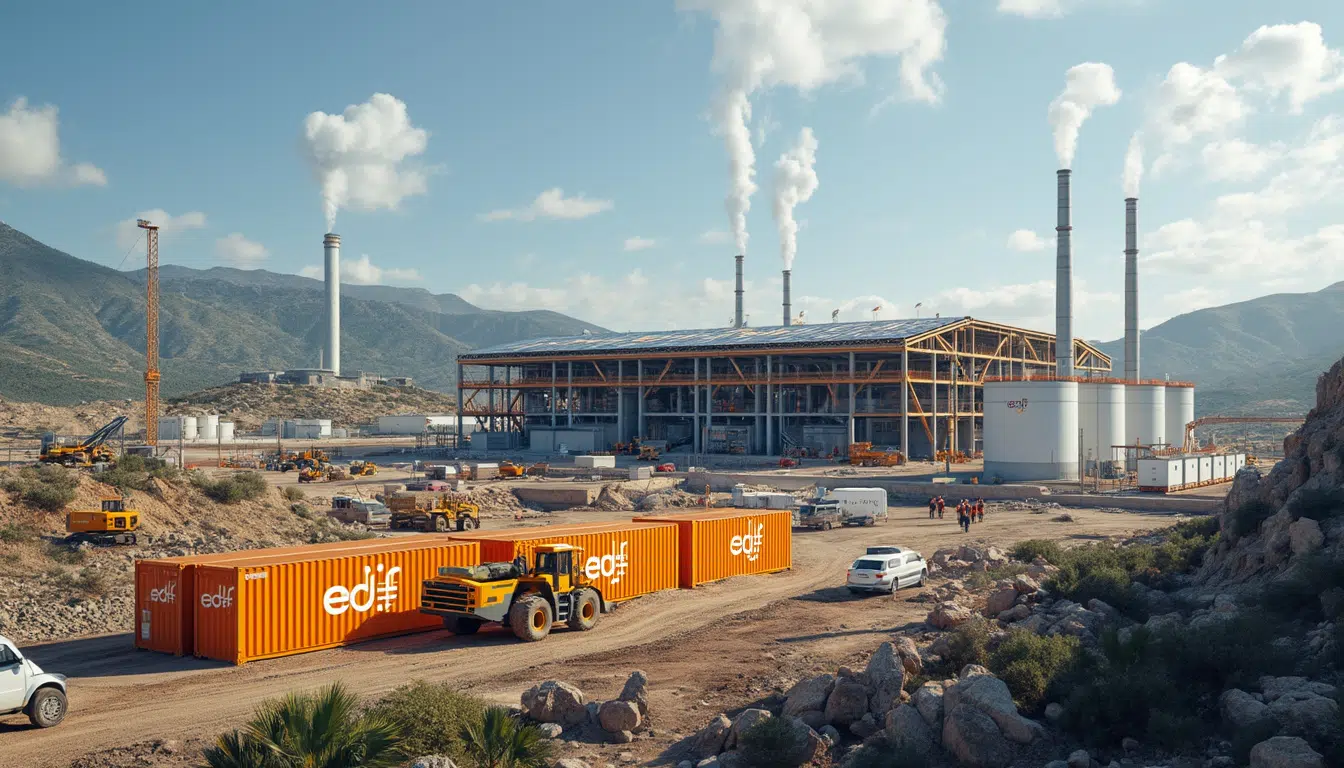
On the island of beauty, an energy transformation is underway. EDF, the French electricity giant, has broken ground on one of the most significant renewable energy infrastructure projects in Corsica's history: the construction of the Ricanto bioenergy plant in Ajaccio. This €800 million investment will replace the ageing Vazzio heavy fuel oil plant, eliminating one of the island's most polluting power generation assets and replacing it with a facility capable of producing clean electricity from biofuel derived from vegetable oils — principally rapeseed and sunflower. The project represents a decisive step in Corsica's long-term energy transition and positions the island as a testing ground for EDF's island energy decarbonisation strategy.
Energy Challenges in Corsica
Corsica's energy situation has long been characterised by a structural dependency on imported fossil fuels — most notably heavy fuel oil — to power the thermal plants that generate the island's electricity during periods when solar and wind resources are insufficient. This dependency creates both economic vulnerability, as it exposes the island to global fuel price fluctuations, and environmental costs, as fuel oil combustion produces significant carbon emissions and air pollutants incompatible with France's climate commitments.
The Vazzio plant, which the Ricanto facility is designed to replace, exemplifies these challenges. Built to serve the island's baseload electricity needs, it has continued operating well beyond its intended lifespan and has become increasingly expensive and polluting to maintain. The decision to replace it with a modern bioenergy facility reflects both the technical maturity of vegetable oil biofuel technology and the regulatory pressure to decarbonise island electricity systems in line with national and European climate targets.
The Ricanto Plant: Specifications and Timeline
The Ricanto bioenergy plant is being developed by EDF PEI, EDF's subsidiary specialising in island energy production — the same entity responsible for comparable projects in French Guyana and La Réunion, where biofuel-based power plants have already demonstrated the viability of the model. With a capacity of 130 MW, the Ricanto plant will cover approximately 20% of Corsica's total electricity consumption on an annual basis, rising to up to 40% during nighttime hours when overall demand is lower and renewable intermittency is less of a constraint.
The plant is scheduled to enter service progressively from the end of 2027, with full operational capacity expected by 2028. Its fuel supply — biofuel produced from vegetable oils including rapeseed and sunflower — will be sourced under long-term supply agreements designed to ensure price stability and traceability of the feedstock's sustainability credentials. The project is underpinned by a twenty-five-year purchase contract with the Energy Regulatory Commission (CRE), providing the long-term revenue certainty required to justify the scale of investment.
Complementary Projects and the Broader Vision
The Ricanto plant is one element of a broader programme of energy infrastructure investment that EDF is pursuing in Corsica, with a cumulative value approaching one billion euros. Alongside the new bioenergy facility, EDF is studying the conversion of the Lucciana thermal plant to liquid biomass — extending the decarbonisation of the island's thermal generation capacity beyond Ajaccio to other parts of the island.
EDF is also exploring improvements to Corsica's electrical interconnection with mainland Italy. Strengthening this link would allow the island to import and export electricity more flexibly, improving its ability to balance renewable generation with demand and reducing its dependence on local thermal capacity. Together, these infrastructure investments represent a coherent vision of a Corsica that is progressively less dependent on fossil fuels and more deeply integrated into the wider European clean energy transition — one that preserves the island's exceptional natural environment while ensuring the security and affordability of its electricity supply for residents and the tourism economy alike.