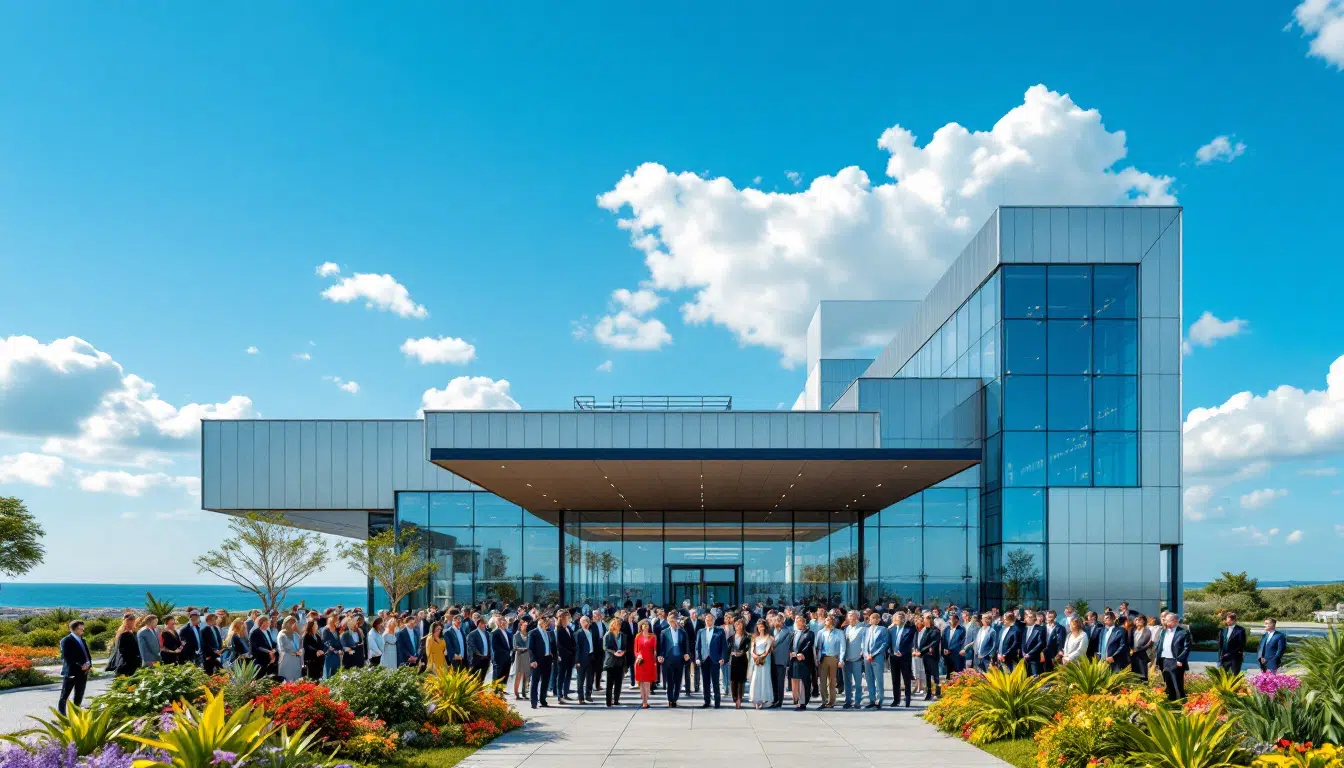
Green hydrogen is rapidly moving from scientific concept to industrial reality — and France is positioning itself as a significant player in this transition. Kem One, one of the leading producers of PVC and chlorine chemistry products in Europe, has announced the inauguration of a brand new electrolysis facility at its Fos-sur-Mer industrial site, marking a decisive step in the company's transformation toward sustainable energy production. The facility places Kem One at the intersection of the traditional chemical industry and the emerging green hydrogen economy — a position that could prove strategically significant as Europe accelerates its decarbonisation agenda.
Why Fos-sur-Mer is a Strategic Choice
Fos-sur-Mer provides an ideal environment for the development of clean energy technology at industrial scale. Its proximity to one of France's major Mediterranean ports facilitates the import of raw materials required for electrolysis operations and the export of hydrogen products to industrial customers across the region. The area benefits from optimal sunshine that supports hybrid renewable energy systems — solar power can be integrated with the facility's energy supply, maximising the proportion of green electricity used in the electrolysis process and thereby ensuring that the hydrogen produced meets the strictest definitions of renewable origin.
The strategic location near major transport arteries enables efficient hydrogen distribution across France and potentially to other European markets, where industrial demand for low-carbon hydrogen as a feedstock — particularly in steel production, chemical manufacturing, and refining — is growing rapidly. For the local economy, the project creates direct and indirect employment, stimulates investment in supporting services and infrastructure, and positions the Fos-sur-Mer industrial basin as a node in the emerging green hydrogen value chain.
Technological Advantages and Environmental Impact
The new electrolysis facility features advanced electrolyser technology capable of large-scale green hydrogen production with superior energy efficiency compared to previous generations of electrolysis equipment. Integrated energy management systems optimise the balance between electricity consumption and hydrogen output in real time, reducing production costs and improving the economic case for green hydrogen relative to grey hydrogen produced from natural gas. The facility's modular design enables future expansions based on market demand — allowing Kem One to scale its hydrogen production capacity in response to the growth of the market without committing to fixed infrastructure that might become redundant if demand evolves differently from projections.
The environmental impact of the installation is significant. Green hydrogen production eliminates the CO2 emissions associated with conventional hydrogen production methods, which typically rely on steam methane reforming and generate approximately 10 kilograms of CO2 per kilogram of hydrogen produced. The hydrogen from Kem One's Fos-sur-Mer facility can serve transportation, industry, and electricity generation — contributing to the energy transition across multiple sectors simultaneously. Kem One implements strict waste management and energy efficiency measures as part of its corporate social responsibility framework, ensuring that the environmental credentials of the facility extend beyond the hydrogen production process itself to encompass the full lifecycle of the plant's operations.
Strategy, Partnerships, and Future Prospects
A Kem One representative affirmed at the inauguration that the facility "testifies to our commitment to innovation and sustainability" — words that reflect a genuine strategic repositioning for a company that has traditionally been identified with conventional chemical production. Under the company's expansion plans, production capacity is targeted to double within five years, supported by active exploration of emerging markets in Asia and North America where industrial demand for clean hydrogen is developing rapidly alongside the decarbonisation commitments of major economies.
Kem One seeks strategic partnerships with academic institutions, technology companies, and government bodies to foster innovation and share knowledge in addressing the large-scale hydrogen production challenges that remain unsolved — particularly around further reducing the cost of electrolysis and developing the transport and storage infrastructure networks that are necessary for widespread hydrogen adoption. The company also promotes education and vocational training through school and university collaborations, preparing the next generation of workers for careers in green technology. Local authorities have emphasised the project's importance for regional economic development and for establishing Fos-sur-Mer as a credible centre of green technology competence — recognition that industrial energy transition, at its best, can simultaneously address climate goals and strengthen the economic fabric of the communities where it takes root.